Recommended · 1926
The Weary Blues
A foundational collection connecting poetry and Black musical forms.
Explore book & sources → FBAGRIOTAmerican history & public policy
FBAGRIOT
The Weary Blues brought blues rhythm, Black urban life, and poetic experiment into a 1926 collection. Hughes’s writing extended across poetry, fiction, drama, journalism, and translation. His work belongs within the Harlem Renaissance and the wider networks of Black publishers, performers, and readers that sustained it.
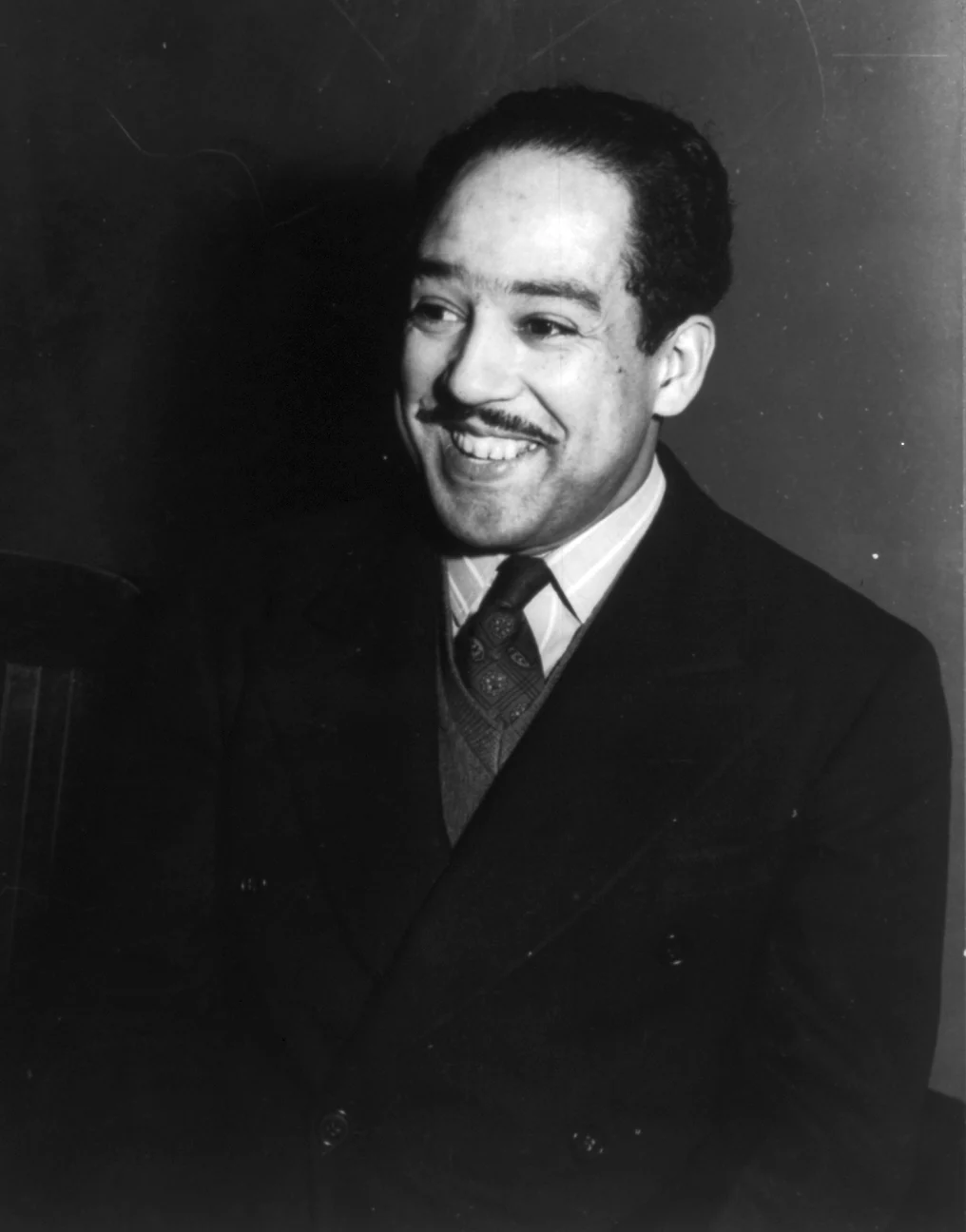
Missouri, Kansas, Harlem, and international travel · 1901–1967 (approximate)
1901 follows Kansas Historical Society and NPS fact box; NPS narrative and older biographies retain 1902. Discrepancy recorded for editorial review.
Kansas Historical Society identifies Hughes’s mother Carrie as the daughter of Charles and Mary Langston. American National Biography identifies Charles as a Virginia-born son of Lucy Langston, a formerly enslaved woman. The documented chain is Langston Hughes → Carrie Langston → Charles Langston → Lucy Langston.
Reviewed 2026-11-15 · Explore American history
Verified FBA
Published contributor to The Weary Blues. Work spans Arts and cultural criticism, Memoir and everyday life.
Kansas Historical Society identifies Hughes’s mother Carrie as the daughter of Charles and Mary Langston. American National Biography identifies Charles as a Virginia-born son of Lucy Langston, a formerly enslaved woman. The documented chain is Langston Hughes → Carrie Langston → Charles Langston → Lucy Langston.
Retain and periodically review the cited public lineage evidence.
See cited biography; do not infer ancestry from appearance or genre
No claim that the author used or endorsed the contemporary FBA label.
Recommended · 1926
A foundational collection connecting poetry and Black musical forms.
Explore book & sources →Recommended · 1940
A writer's account of artistic formation and the Harlem Renaissance.
Explore book & sources →