
American history, connected
Building a place to call home
Black families built towns and neighborhoods while laws and lending practices shaped the choices available.
A short read · Land, housing and community · 1877–1940s
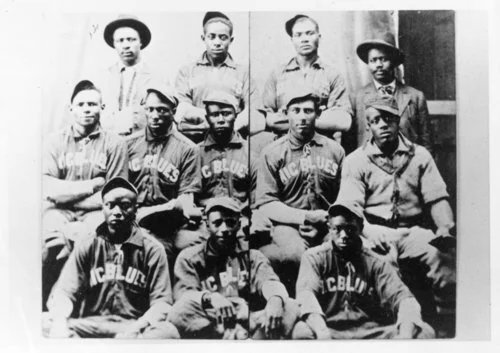
A home can anchor far more than a household. In Nicodemus, Kansas, Black settlers arriving in 1877 and afterward built a community around land, churches, schools and neighbors. Town organizers recruited formerly enslaved people from Kentucky, Tennessee and Mississippi. The history survives through buildings, homestead sites and descendants’ stories.
Opportunity was never distributed evenly. Decades later, Black families moving to northern cities encountered restrictions on where they could buy and live. Racial covenants placed exclusion in property agreements. In Detroit, a developer built the Birwood Wall in 1941 to separate a proposed white subdivision from a Black neighborhood and obtain federal mortgage insurance.
The wider American story
Redlining belongs in this history, too, but it is important to distinguish agencies and policies. Research from the Federal Reserve Bank of Chicago finds that the Federal Housing Administration’s practices differed from those of the Home Owners’ Loan Corporation; the familiar HOLC maps do not explain every lending decision.
Read these stories alongside the Great Migration and the Fair Housing Act. Together they connect families’ aspirations to local organizing, public policy and access to property. They also show why a national story needs local evidence.
Pause and connect
What could a family build for itself, and what depended on rules beyond its control?
Explore next
Sources and further reading
- NPS: Nicodemus District Orientation
- NPS: Nicodemus stories
- NMAAHC: Restrictive Covenants
- Chicago Fed: Revisiting federal housing agencies
Sources checked November 16, 2026. This is an introductory story, not a complete account of every community.