American history, connected
Guam: a homeland beyond the battlefield
At Assan, a familiar World War II story opens onto a much longer CHamoru history.
A short read · Before European contact–present
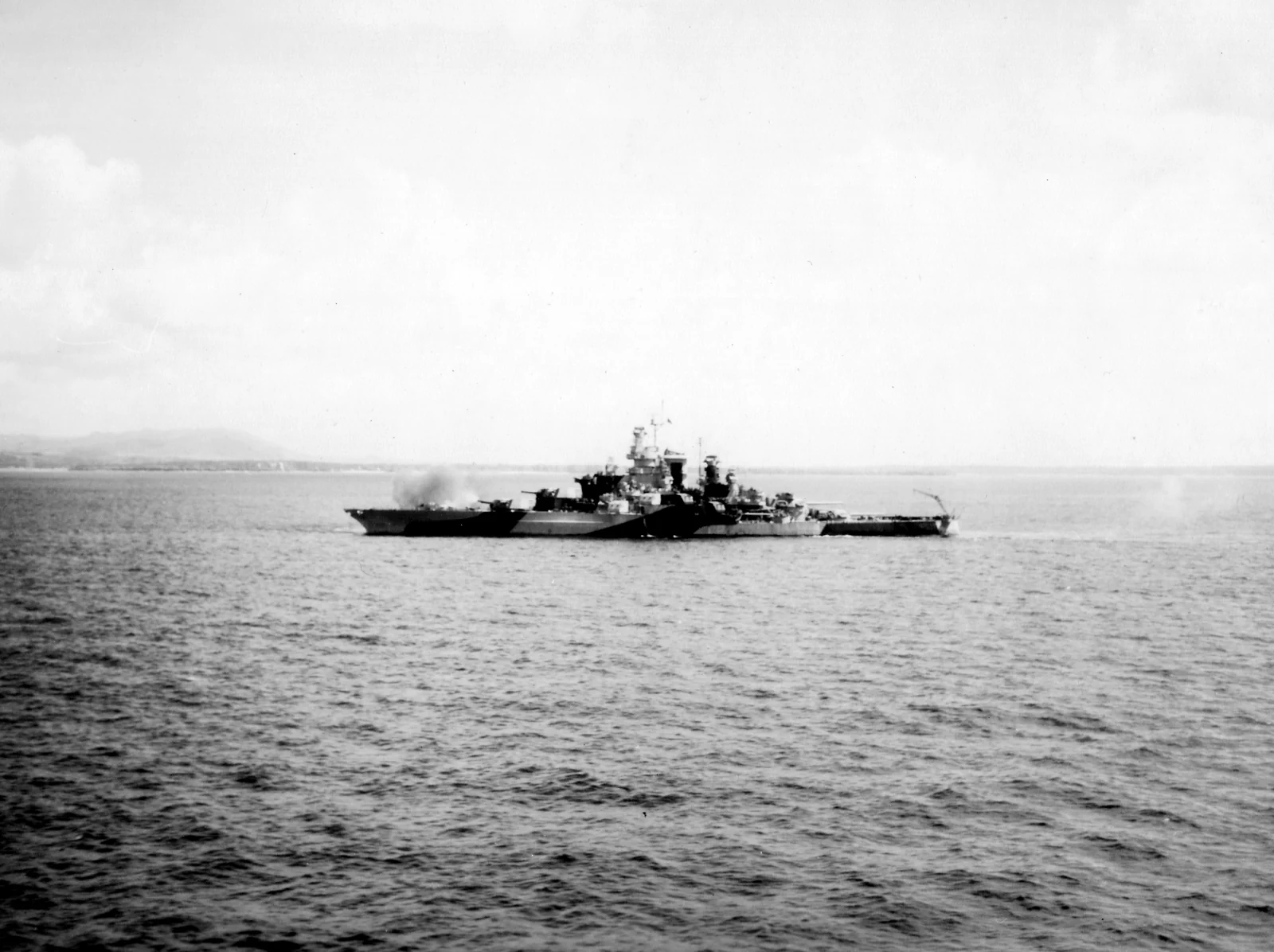
A beach can hold more than one history. Assan is remembered as a landing place during the 1944 Battle of Guam. Long before that battle, it was a CHamoru village. Seeing only the military landmark can hide the people whose homes and community life made the place meaningful.
The Guam Museum traces CHamoru settlement in the Mariana Islands across more than three millennia. Its account follows changes under Spanish colonization while emphasizing continuing language, homeland and identity. Change did not mean disappearance.
The wider American story
Guam became a U.S. territory in 1898 and remains one today. The Organic Act of 1950 established a civilian territorial government and conferred U.S. citizenship on Guamanians. This is a different political history from Hawaiʻi’s statehood and from federally recognized tribal nations on the continent.
Follow the national story from overseas expansion to World War II, then stay with the community beyond the battle. The useful question is not only who captured an island, but how its people lived through changing governments and continued to define their home.
Pause and connect
What does this story add to the American history you already know?
Explore next
Sources and further reading
- NPS: Assan through the Ages
- Guam Museum Foundation: CHamoru Culture and Identity
- U.S. Department of the Interior: Guam
Sources checked November 16, 2026. This is an introductory story, not a complete account of every community.