
American history, connected
Land, food and the ties between generations
Alaska’s history includes living relationships with land and water—not only a purchase and statehood.
A short read · Before 1867–present
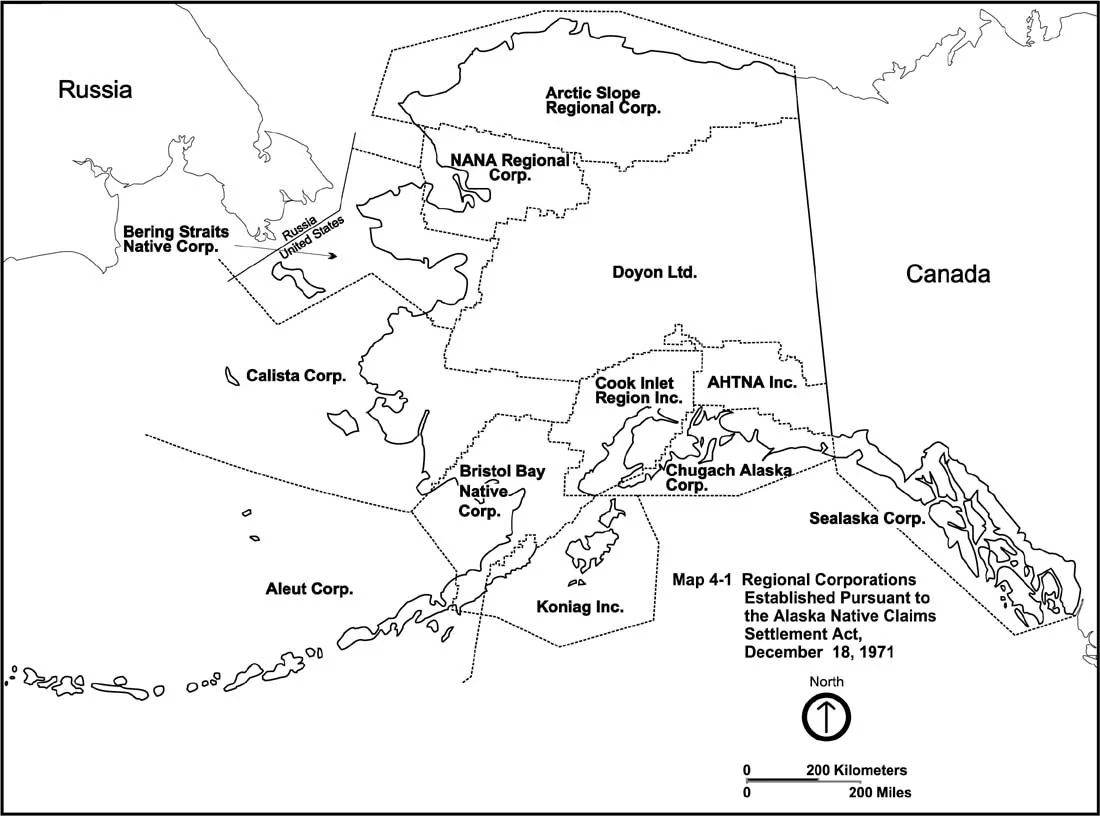
For many Alaska Native communities, harvesting and sharing food carries practical knowledge, relationships and responsibility across generations. Fishing, hunting and gathering are part of living economies and cultures. The familiar milestones of the 1867 Alaska Purchase and 1959 statehood do not tell that whole story.
Resource development and changing government authority affected access to land and wildlife. The Alaska Native Claims Settlement Act of 1971 transferred land and compensation through Alaska Native corporations. These corporations and tribal governments are different kinds of institutions; one should not be treated as a substitute name for the other.
The wider American story
In 1980, the Alaska National Interest Lands Conservation Act provided a subsistence priority for rural Alaskans on federal public lands. Rural eligibility is not identical to Alaska Native identity. Keeping that distinction clear helps readers understand a policy without turning it into an ancestry test.
This story connects American conservation and development to daily life. It also asks a larger question: when public policy changes access to food and land, what happens to the knowledge and community relationships built around them? Alaska contains many distinct peoples; no single example represents them all.
Pause and connect
What does this story add to the American history you already know?
Explore next
Sources and further reading
- NPS: Promises to Keep
- NPS: History of Subsistence Management in Alaska
- BIA: How are tribal governments organized?
Sources checked November 16, 2026. This is an introductory story, not a complete account of every community.