American history, connected
A familiar holiday, a fuller story
Look beyond the familiar meal to diplomacy, conflict, survival and living communities.
A short read · Wampanoag histories · Colonial encounters and memory
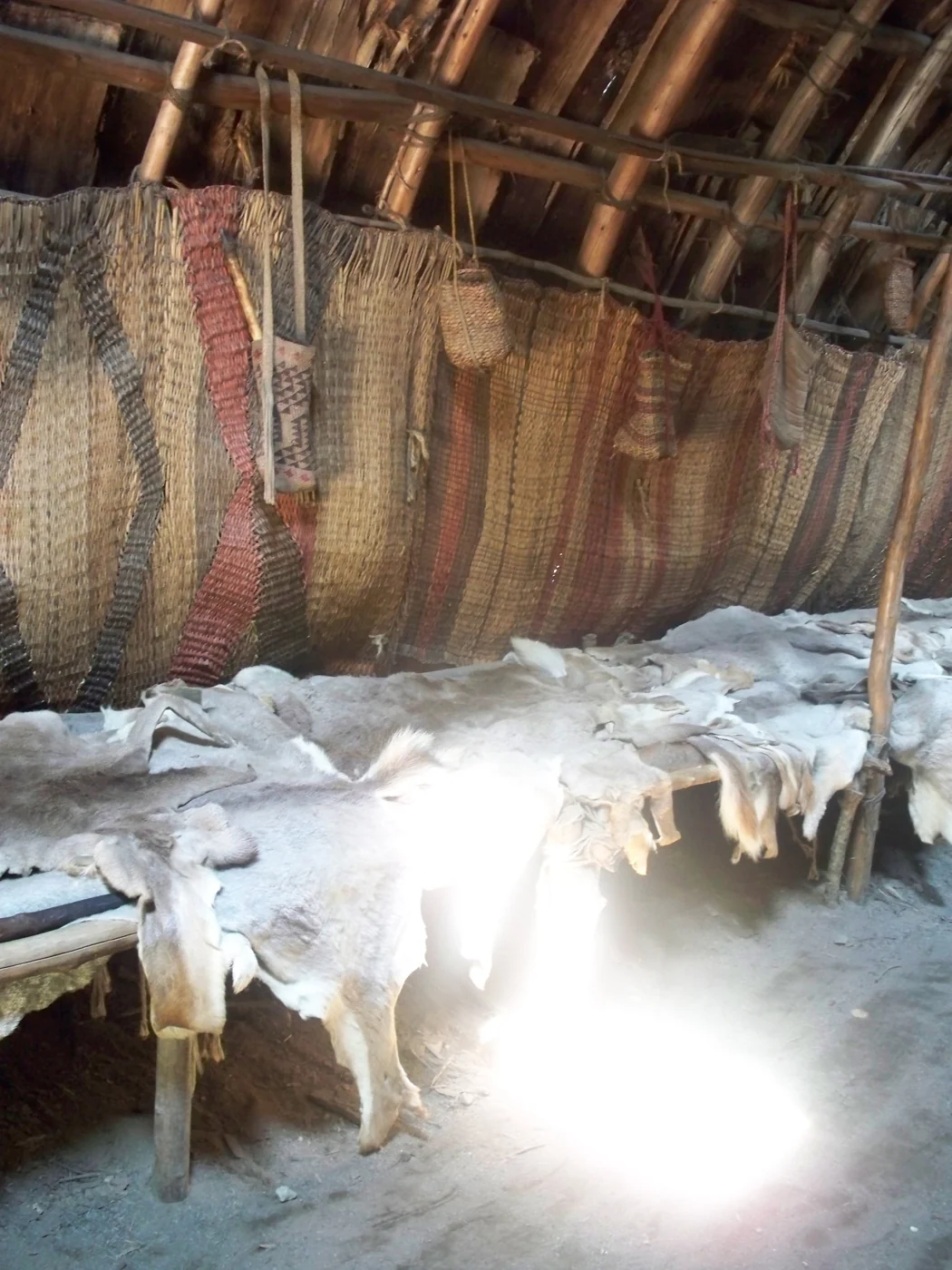
A holiday story can become so familiar that its people fade into the background. The Smithsonian’s National Museum of the American Indian invites readers to reconsider Thanksgiving by beginning with Wampanoag homelands, society and perspectives—not with the arrival of English colonists.
This approach changes the questions we ask. What did each community hope to gain from an agreement? How did trade and settlement affect relationships? What happened after the gathering remembered as the “First Thanksgiving”?
The wider American story
The later history includes King Philip’s War, led by Metacom and involving several Native nations and English colonists. Violence, enslavement and loss of land followed. These events belong beside accounts of colonial growth, rather than outside the American story.
But Wampanoag history does not end with war. The museum’s learning resource connects the past with contemporary community life, including the Aquinnah Wampanoag tradition of Cranberry Day. Cultural continuity is part of the story too.
Reading paintings, children’s books, monuments and community accounts together helps us see how public memory is made. We can keep asking what a familiar image reveals, what it leaves out and whose voice could help us understand more.
Pause and connect
Whose perspective is missing from a holiday story you learned as a child?
Explore next
Sources and further reading
Sources checked November 16, 2026. This is an introductory story, not a complete account of every community.