Explore & Learn
The many roads to freedom
Travel from Spanish Florida to Black Seminole communities and Reconstruction. Discover why freedom, ancestry and citizenship are different questions.
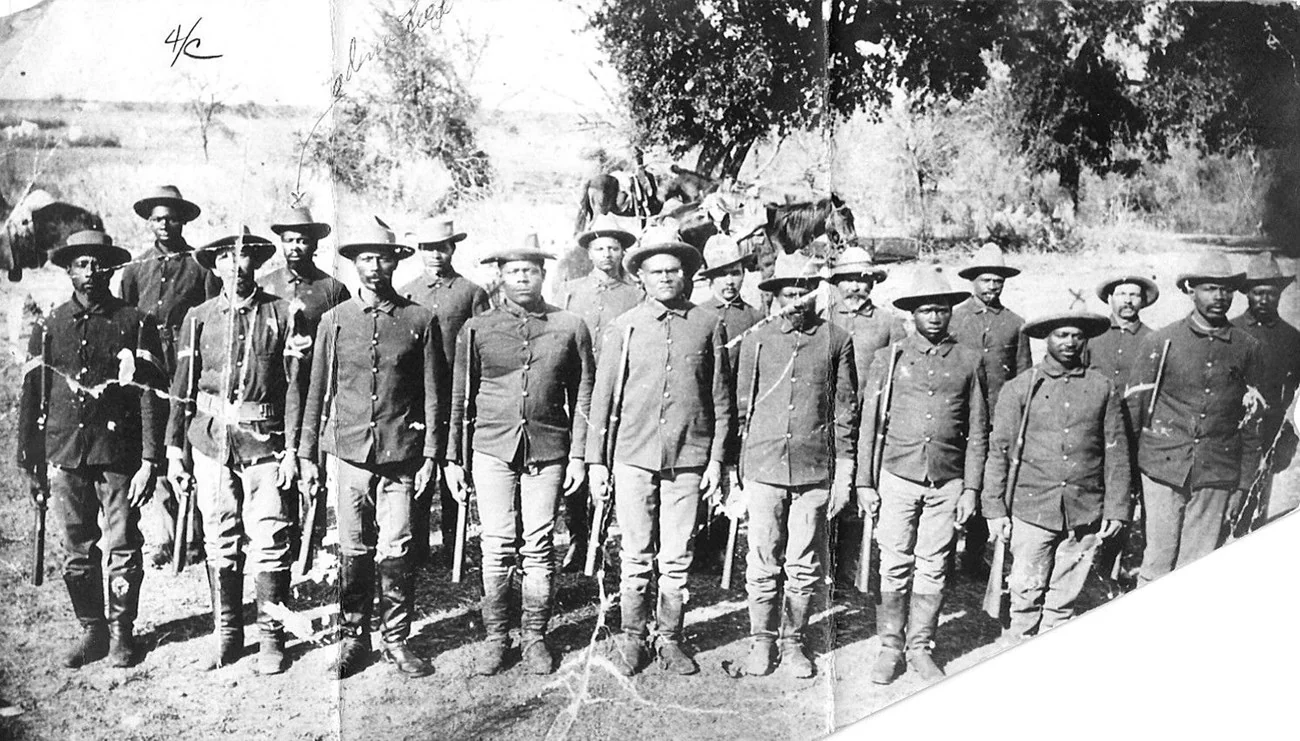
Start at the beginning or choose the story that draws you in. Each stop connects to the wider timeline.
- 1
Freedom took a southern route
Near St. Augustine, people escaping slavery built a free Black community—and helped defend it.
- 2
A search for freedom across borders
Follow communities whose pursuit of security crossed changing borders and complicated alliances.
- 3
Connected families, distinct histories
Afro-Indigenous history begins with people and communities—not assumptions about how someone looks.
- 4
Freedom brought another question: who belongs?
Cherokee Freedmen history connects the Civil War to a continuing struggle over citizenship.
- 5
Freedom remembered—and carried forward
A Texas emancipation order became a tradition sustained by families and communities.
A question to carry with you
What did people need to build after a promise of freedom was made?